


 January 29, 2026
Introduction
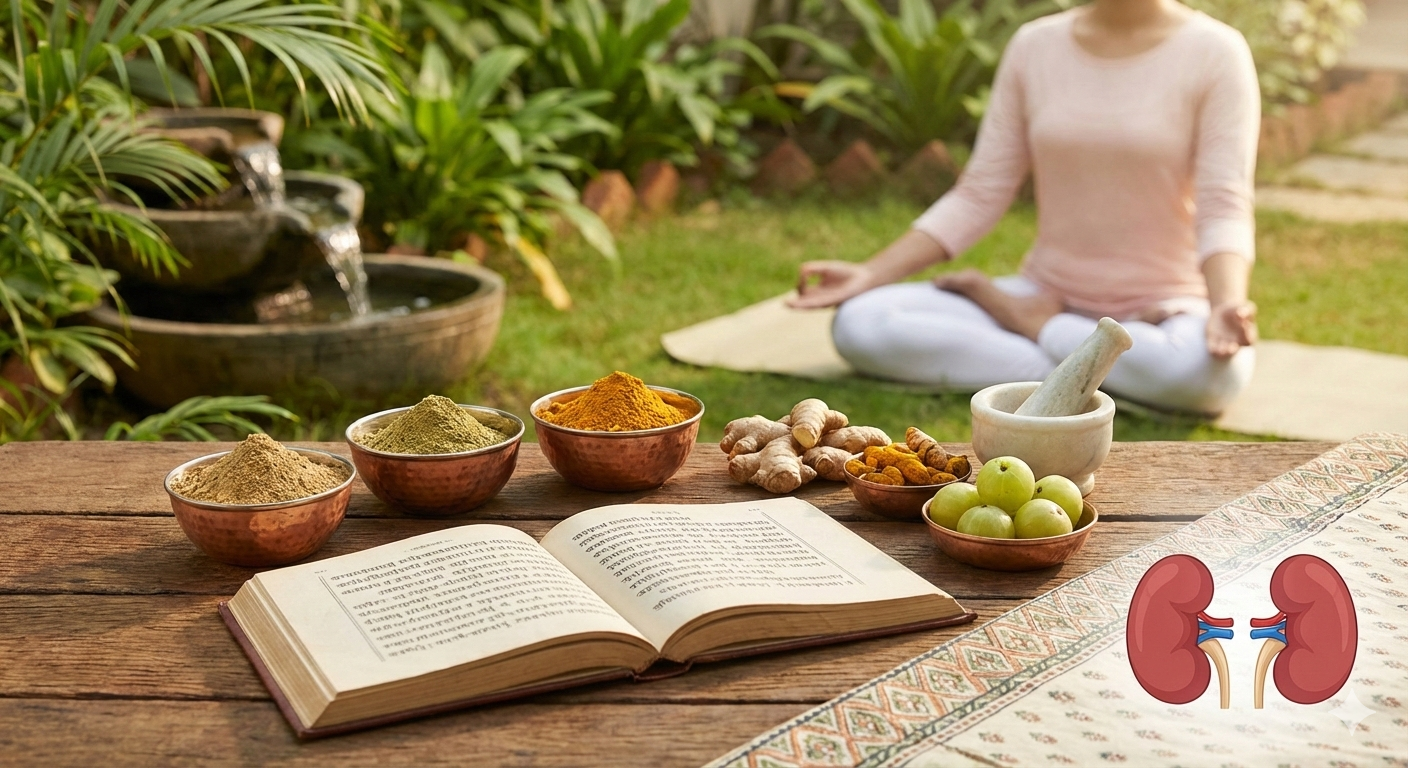
Ayurveda is one of the world’s oldest systems of traditional knowledge, originating in the Indian subcontinent thousands of years ago. Rather than focusing solely on disease treatment, Ayurveda emphasizes balance, lifestyle awareness, and long-term well-being.
Today, Ayurveda is commonly explored as a complementary wellness approach alongside modern medical care. Understanding its foundational concepts can help individuals make more informed decisions about lifestyle and health practices.
Core Principles of Ayurveda
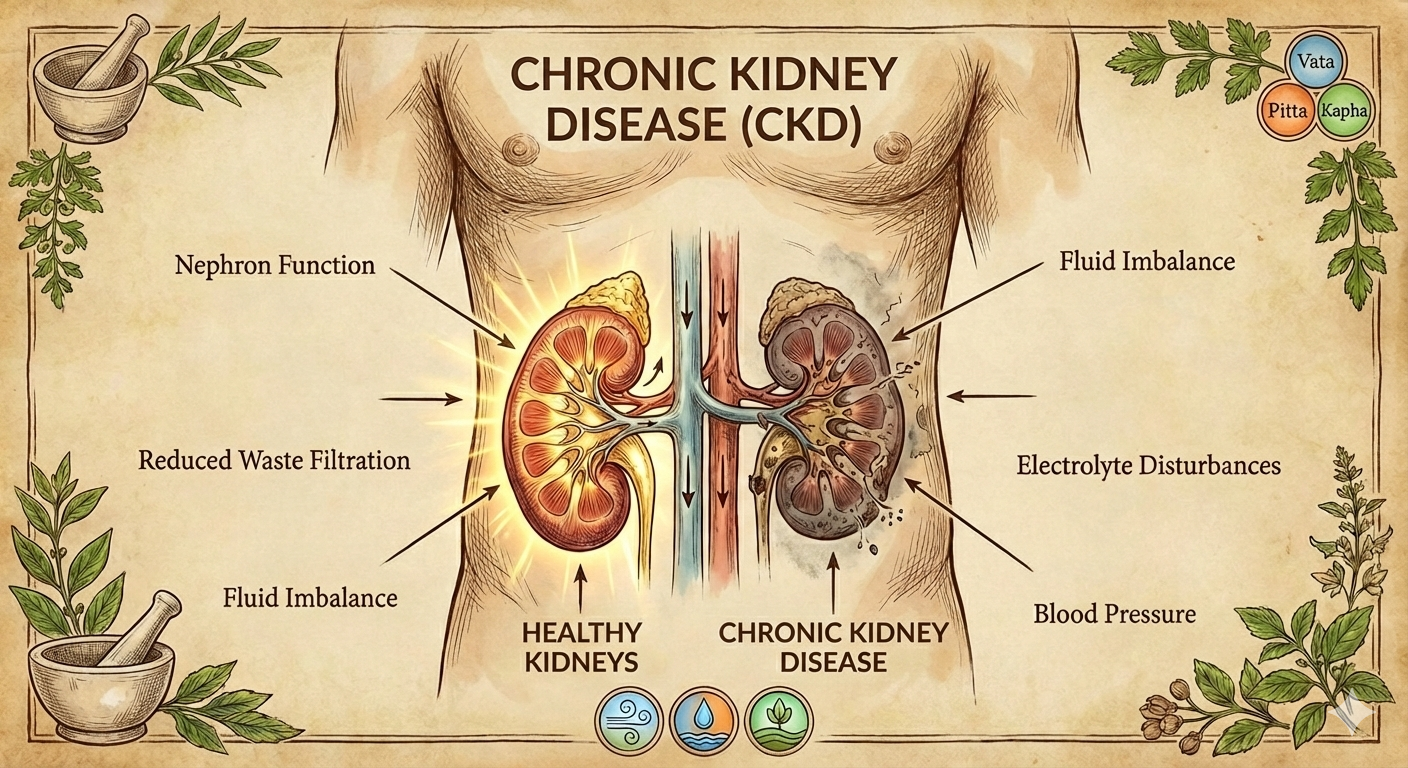
At the heart of Ayurveda is the concept that overall well-being depends on balance within the body and mind. Traditional Ayurvedic literature describes three primary functional principles, often referred to as doshas: Vata, Pitta, and Kapha.
These principles are used to describe patterns related to physical tendencies, digestion, energy levels, and behavioral traits. Ayurveda traditionally aims to support balance through personalized routines, dietary awareness, and daily habits.
It is important to note that these concepts are educational frameworks rather than diagnostic tools.
Common Ayurvedic Practices
Ayurvedic practices traditionally focus on daily routines and lifestyle awareness. These may include:
Mindful eating habits
Seasonal lifestyle adjustments
Yoga and breathing practices
Meditation and mental well-being routines
Such practices are generally explored as supportive wellness habits rather than medical treatments.
Ayurveda and Modern Healthcare
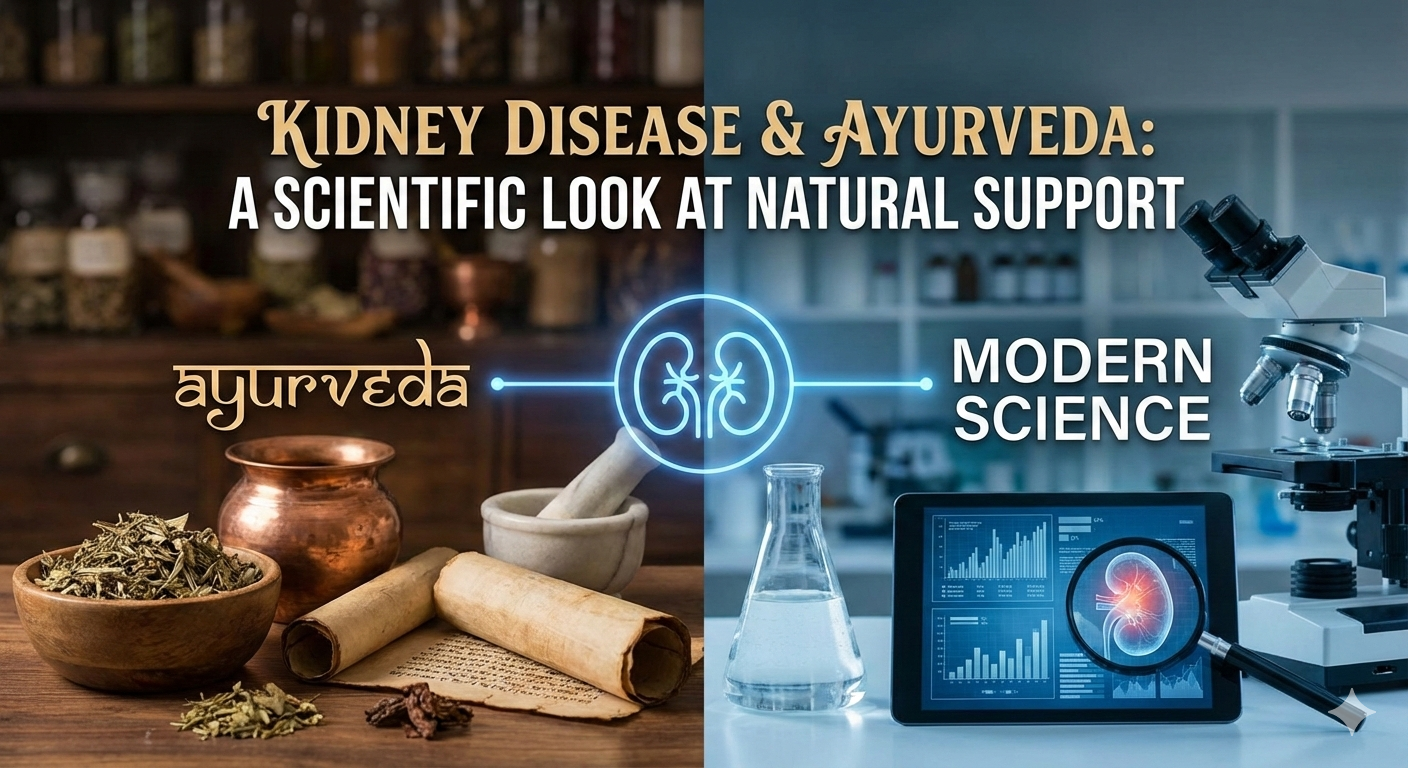
In modern contexts, Ayurveda is often viewed as a complementary system rather than a replacement for evidence-based medical care. Many individuals explore Ayurvedic concepts to better understand lifestyle balance, stress management, and overall wellness.
Healthcare professionals generally recommend discussing any traditional or alternative practices with a qualified medical provider, especially for individuals with existing medical conditions.
Safety and Responsible Use
Ayurveda should be approached with care and responsibility. It does not claim to diagnose, treat, cure, or prevent medical conditions. Any health-related decisions should be guided by licensed healthcare professionals.
Educational information about traditional practices is best used to enhance awareness, not as a substitute for medical advice.
Final Thoughts
Ayurveda offers a historical and philosophical perspective on wellness that continues to interest people worldwide. When approached thoughtfully and responsibly, it can contribute to broader conversations about lifestyle awareness and personal well-being.
Medical Disclaimer
⚕️ Medical Disclaimer This content is provided for educational and informational purposes only and does not constitute medical advice. Always consult a qualified healthcare professional for diagnosis, treatment, or medical guidance.
Last reviewed on January 29, 2026 by Dr. Rahul Sharma.




Truly inspiring! Ayurveda has changed my life for the better.