


 January 31, 2026
Introduction: Why CKD Needs a Holistic Approach
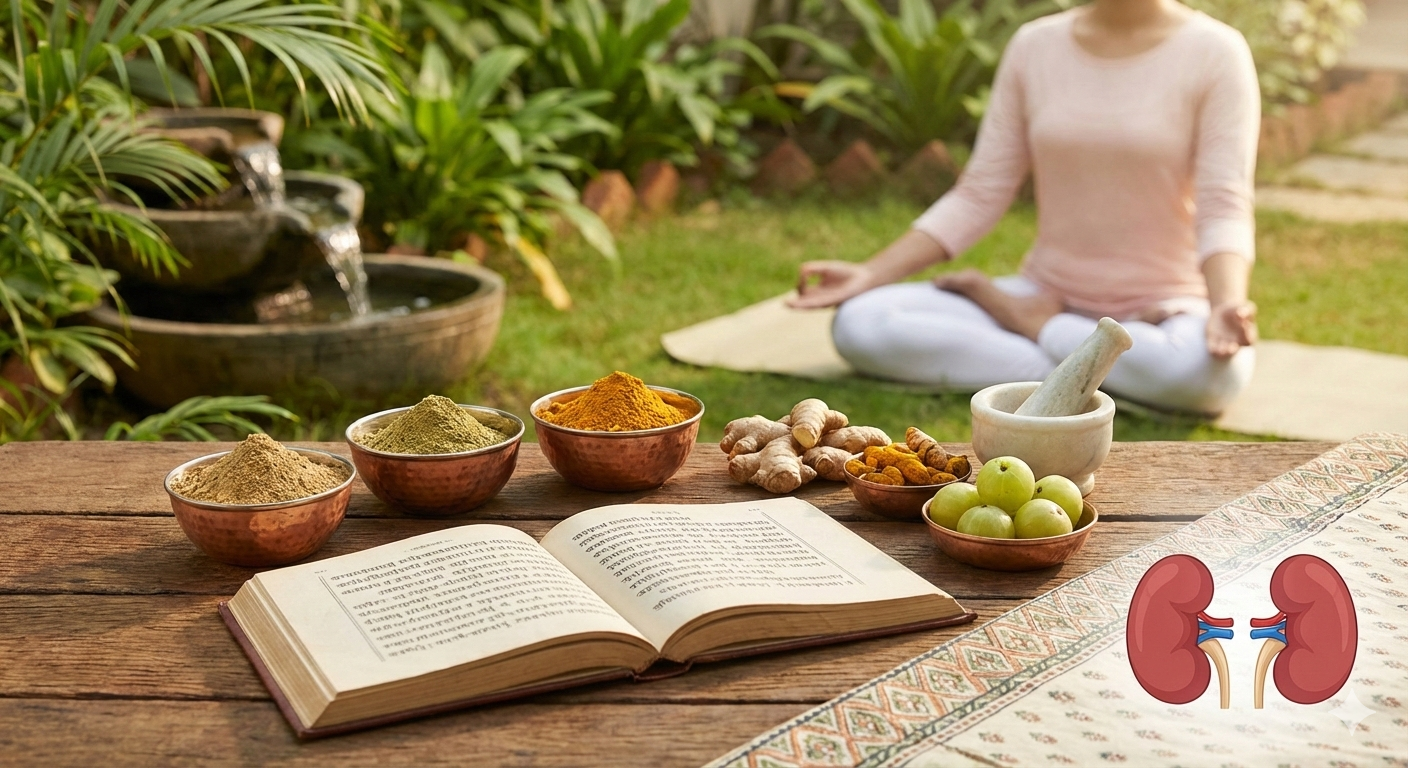
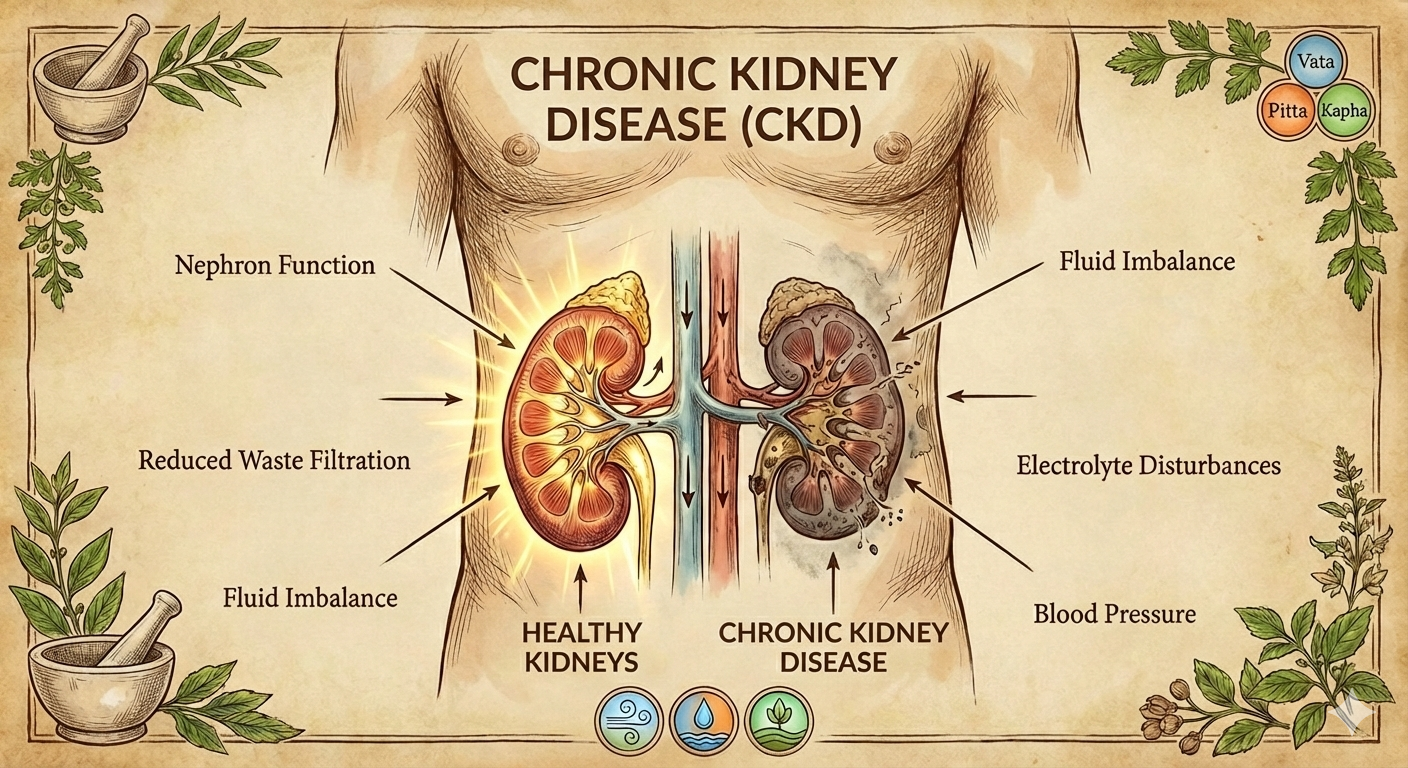
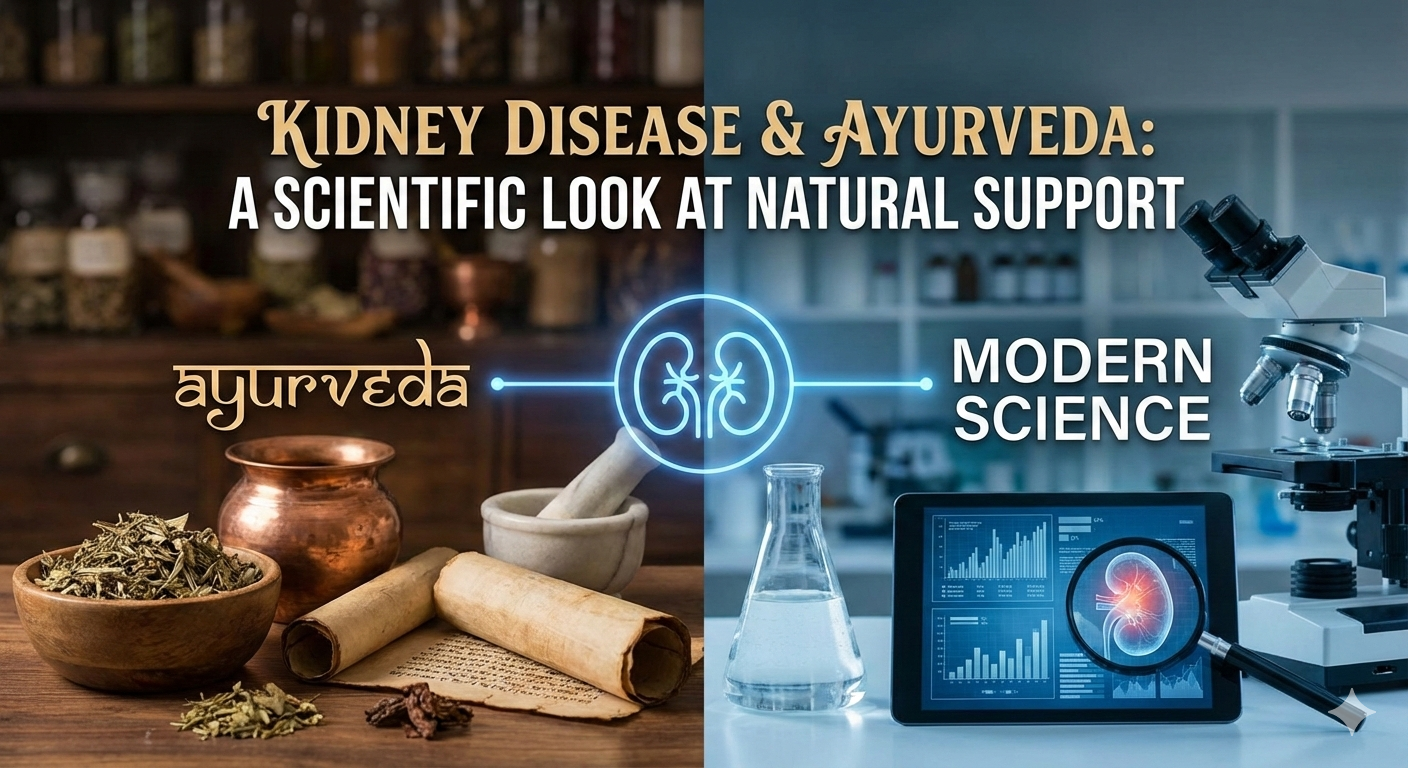
Chronic Kidney Disease (CKD) is a progressive condition in which kidney function gradually declines over time. Standard medical care focuses on slowing disease progression, controlling blood pressure, managing diabetes, and preparing for renal replacement therapies in advanced stages. However, many patients seek supportive approaches that address overall metabolism, inflammation, digestion, and quality of life. Ayurveda, the traditional system of medicine from India, offers a holistic framework that aligns with lifestyle, nutrition, and plant-based therapeutic support as complementary care (source). Learn more in our natural and herbal treatment for kidney disease.
Understanding CKD Through the Lens of Ayurveda
In Ayurveda, kidney-related disorders are associated with imbalance in Mutravaha Srotas (urinary channels), impaired digestion (Agni), and accumulation of metabolic toxins known as Ama. Rather than viewing kidney dysfunction as an isolated organ issue, Ayurveda considers it a systemic imbalance involving fluid metabolism, inflammation, and tissue nourishment. Classical Ayurvedic literature emphasizes restoring balance through detoxification, dietary correction, and rejuvenative support (source).
How Ayurveda May Support CKD Patients
1. Herbal Support with Nephroprotective Potential
Several Ayurvedic herbs traditionally used for urinary and fluid balance are being explored for their antioxidant, anti-inflammatory, and diuretic properties:
- Punarnava (Boerhavia diffusa) – Traditionally used for fluid regulation and swelling management; studied for anti-inflammatory and kidney-supportive properties (source).
- Gokshura (Tribulus terrestris) – Used in classical formulations for urinary tract and kidney support (source).
- Varuna (Crataeva nurvala) – Traditionally used in urinary disorders and supportive kidney formulations (source).
These herbs are typically used in personalized combinations under supervision rather than as standalone remedies.
2. Panchakarma & Therapeutic Detox Approaches
Ayurveda includes detoxification procedures collectively known as Panchakarma, designed to remove accumulated metabolic waste and rebalance Doshas. Therapies such as Basti (medicated enemas) are traditionally considered beneficial in disorders linked with Vata imbalance and systemic toxin accumulation. Modern integrative medicine discussions increasingly explore detoxification, gut health, and inflammation as related factors in chronic disease management (source).
3. Diet & Lifestyle for Kidney Wellness
Ayurveda places strong emphasis on digestion and food quality. Many of its dietary principles align with modern kidney-friendly nutrition strategies:
- Plant-forward meals rich in antioxidants
- Reduced processed food and excess sodium intake
- Mindful eating and digestive support
Research suggests that plant-based dietary patterns may help reduce inflammation and support kidney health when properly supervised (source).
Emerging Clinical Interest
Preliminary studies and case reports in integrative medicine literature have explored Ayurvedic herbal combinations and lifestyle approaches in chronic kidney conditions, particularly focusing on inflammation, oxidative stress, and metabolic balance. While early findings are encouraging, larger, well-controlled clinical trials are still needed to establish standardized protocols and long-term outcomes (source).
Important Considerations
Ayurveda should be used as a complementary approach alongside conventional nephrology care — not a replacement. CKD patients must consult qualified healthcare professionals before using herbs or detox therapies, as kidney conditions require careful monitoring of electrolytes, medications, and fluid balance (source).
Conclusion
Ayurvedic healing offers a multi-dimensional support system for people living with CKD — integrating herbs, diet, detoxification principles, and lifestyle balance. When used responsibly and under medical guidance, these traditional strategies may help improve overall well-being, support metabolic health, and complement standard kidney care.
Explore our kidney disease care options for personalized guidance.





Truly inspiring! Ayurveda has changed my life for the better.